


Metaprofile’s Content Discovery solution helps Telecoms, OTT operators, broadcasters and streaming platforms move beyond keyword and genre matching toward truly semantic, emotionally aware content discovery.
AI Content Discovery Metadata (tone, moods and themes) for Telecoms, OTT and Streaming Platforms
-
Deep Contextualization and media convergence
Metaprofile defines explicit relationships between data points, such as associating a character with their role, linking shows through shared themes, or connecting episodes by narrative arcs (instead “comedy,” you’ll get “satirical humor about suburban life”).
-
Personalization and Engagement
TV and streaming platforms can leverage metadata to deliver more engaging experiences by understanding what viewers are drawn to on a granular level (e.g., “race against time” themes, “criminal heroes” narratives, or “date night” romantic arcs).
-
Rich Discovery and Recommendation
Recommendation engines and search tools can now go beyond keywords or genre matching, offering highly personalized and emotional content suggestions (finding a shows based on criteria like “series with strong female leads overcoming adversity”).
-
Improved Ads performance
Semantically aligned ads see greater user engagement because they are more relevant to the audience’s current interests. Response rates for semantically targeted ads can be much higher compared to non-semantic targeting.
Sophisticated AI-driven semantic framework
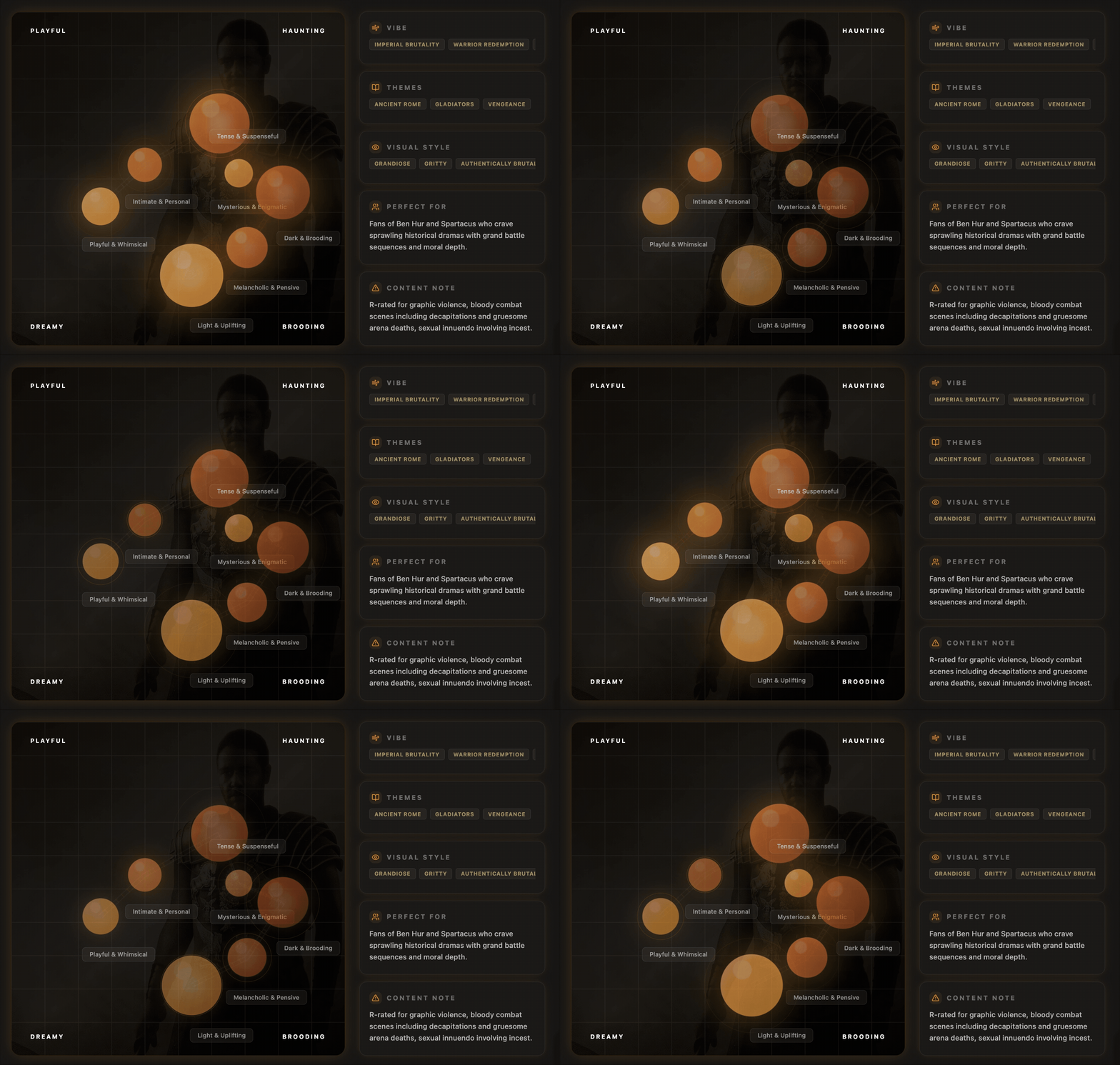
metaDNA assigns each piece of content a distinctive “genetic” profile called tvDNA. Unlike traditional metadata that focuses on basic attributes such as genre or cast, metaDNA dives deeper into the essence of content by capturing intricate semantic elements.
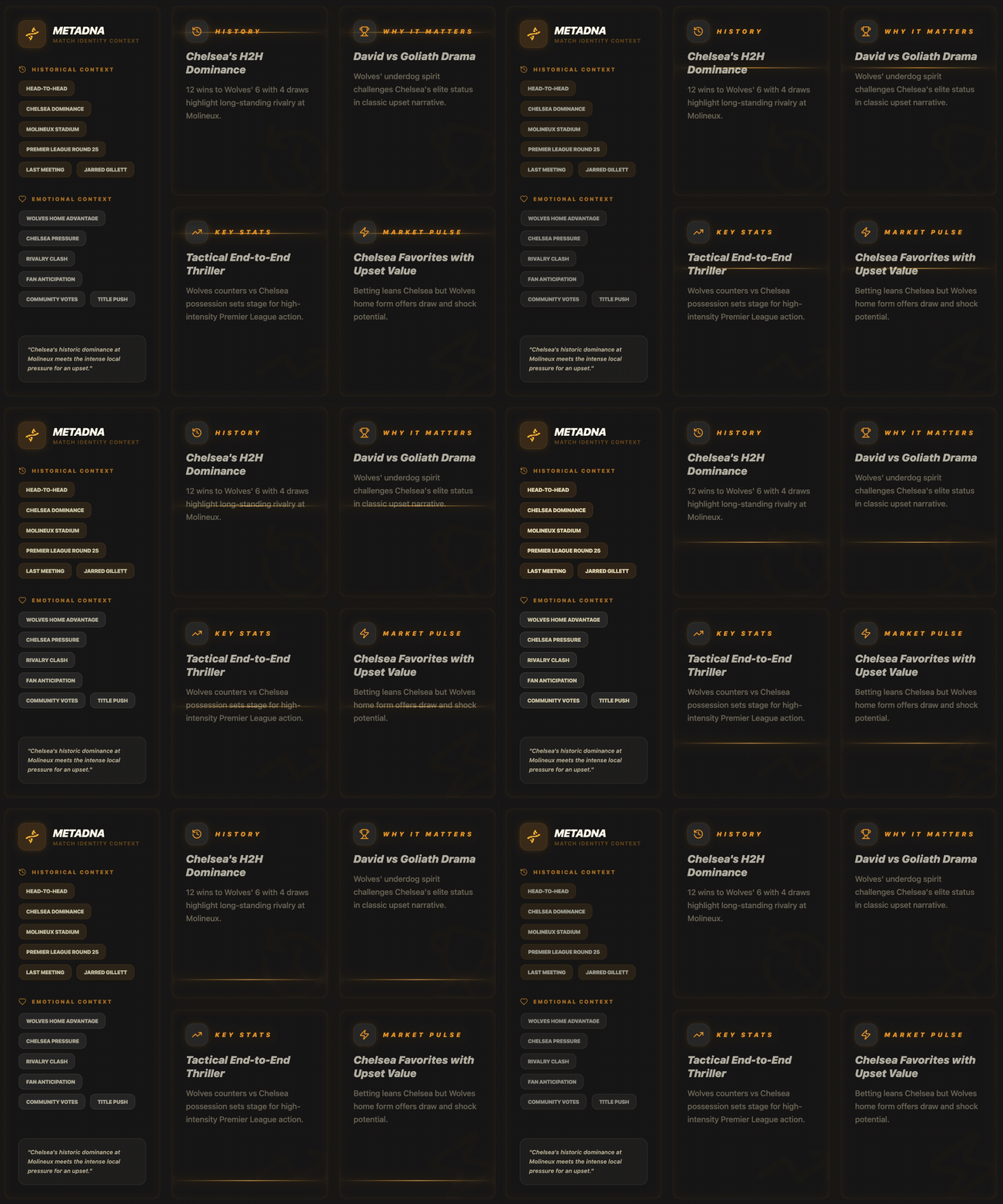
Creating historical and emotional context for every sports event
Using historical and emotional context with statistical and betting trend to create most interesting sports events announcements and discoverability.